We listen before we create. Book a discovery call and we'll figure out of if we are what your brand needs — no pressure, just possibilities.
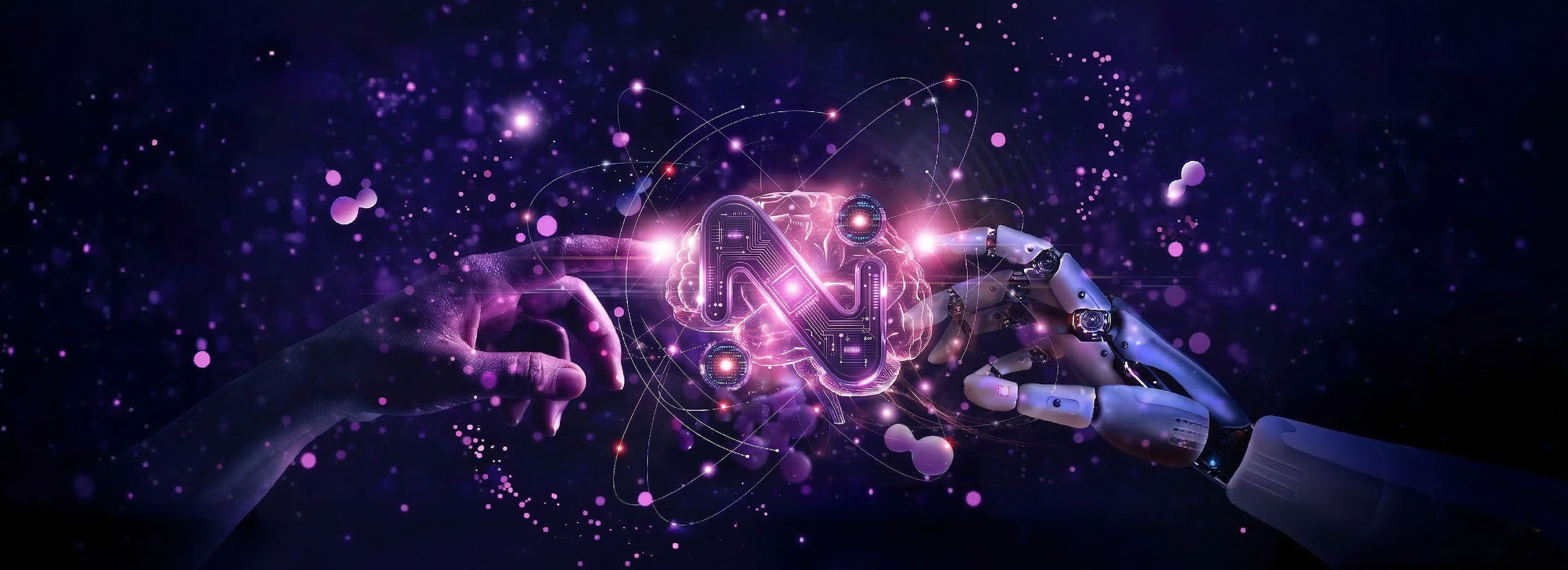
A New Stage of AI Adoption in a Digital World

Not long ago, artificial intelligence in a business context meant one of two things: either a cutting-edge capability reserved for well-funded tech companies, or a distant theoretical concept that had little bearing on day-to-day creative work. That world has changed — and changed rapidly. We are now firmly in a new stage of AI adoption, one that is less about novelty and more about integration.
At Neovo Studio, we've watched this shift unfold in real time — across the industries we work with, in the tools we use, and in the questions our clients are asking. The conversation has moved on from "should we be using AI?" to something far more considered: "how do we use it well, and what does it mean for the work we do?"
From Experimentation to Expectation.
Few sectors have felt the impact of AI adoption more acutely than the creative industries. Design, copywriting, photography, video production — all have been touched by tools that can generate, iterate, and simulate at a pace no human team can match on volume alone.
For studios like Neovo Studio, this creates both a pressure and an opportunity. The pressure is real: clients are more informed than ever about what AI can produce, and expectations around speed and output have shifted accordingly. The opportunity is equally real: the studios and agencies that understand how to combine AI capability with genuine creative direction, strategic thinking, and brand understanding will be considerably more powerful than either element alone.

The key distinction is between AI as a replacement for thinking and AI as an accelerant for it. The former produces content that looks competent but lacks conviction. The latter produces work that is faster to execute and better informed — but still shaped by human intelligence, taste, and intention.
Trust, Transparency, and the Audience's New Awareness.
One of the most significant shifts in this new stage of AI adoption is that audiences are catching up. Where AI-generated content once passed largely unnoticed, there is now a growing public awareness — and in some contexts, a growing scepticism — about what is produced by machines versus what comes from human craft and expertise.
This doesn't mean AI-assisted work is inherently less trustworthy. But it does mean that transparency is becoming a competitive differentiator. Brands and studios that are honest about how they use AI — and that demonstrate where human expertise, creative judgement, and strategic thinking remain central — will earn more trust than those that treat AI as something to obscure.
For client-facing creative businesses, this is a conversation worth having proactively. At Neovo Studio, we believe that how you use your tools matters, but why you use them — and what human thinking shapes the output — matters more.
AI Adoption Is Not One-Size-Fits-All.
A common mistake in discussions about AI adoption is treating it as a binary — either you're embracing it fully or you're being left behind. The reality for most businesses, particularly in the creative and design space, is considerably more nuanced.
Different functions within a business sit at different points on the adoption curve, and rightly so. AI-assisted research, data analysis, and content drafting may be entirely appropriate in one area, while another area — say, the creative direction of a brand identity — may benefit from AI inputs but ultimately demands human authorship and accountability.
At Neovo Studio, we approach this with a deliberately considered framework. We use AI where it genuinely improves quality, speed, or insight. We don't use it where it would dilute the thinking, the craft, or the distinctiveness that our clients come to us for. The line isn't always obvious, and it shifts as the technology evolves — but drawing it thoughtfully is one of the most important strategic decisions any creative business can make right now.

What the Next Stage Looks Like.
If the first stage of AI adoption was experimentation and the second is integration, the third — which is already beginning to take shape — is differentiation. The businesses that will lead in the next few years won't simply be those that use AI. They'll be those that have developed a genuinely distinctive approach to it.
That might mean proprietary workflows that combine AI tools with deep brand knowledge. It might mean new service offerings that weren't previously viable. It might mean a fundamental rethinking of how creative teams are structured and how they collaborate. Whatever form it takes, the studios and businesses that approach this stage with curiosity, rigour, and a clear sense of their own identity will be the ones that define what excellent AI-augmented creative work actually looks like.
Conclusion.
Integration Without Dilution.
The challenge of this new stage isn't adopting AI — it's doing so without losing what makes your work distinctive. The tools are widely available. The thinking, the voice, the creative direction, and the strategic clarity that shape how those tools are used are not. Protecting and developing those qualities is the real work of the next phase.
Judgement Is the Skill That Scales.
Speed and volume are increasingly easy to achieve with AI. Judgement — knowing what to make, why to make it, and whether it's actually good — remains stubbornly human. In a world of abundant content, the brands and studios with the best editorial judgement will cut through most effectively.
The Adoption Curve Rewards the Thoughtful, Not Just the Fast.
There is a temptation to treat AI adoption as a race. But the businesses that will be best positioned in five years are not necessarily those that moved fastest — they're those that moved most deliberately. At Neovo Studio, we believe that considered, purposeful adoption of AI in creative work will always produce better outcomes than adoption driven purely by the fear of being left behind.